FuturaLead™
Neural signaling.
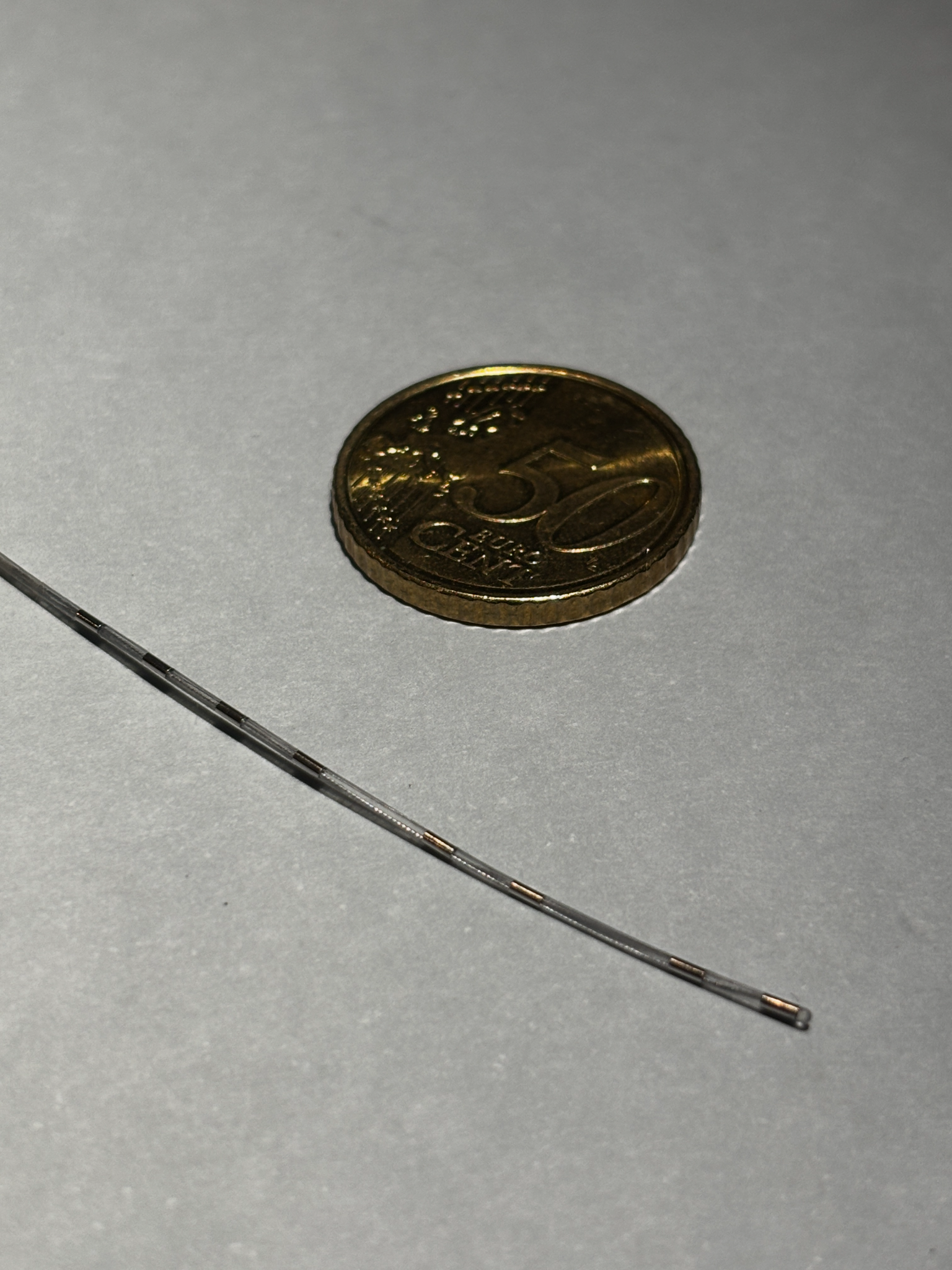
Designed for sensing and stimulation adjacent to the spinal cord, with painful diabetic neuropathy among the applications being explored.
Explore the neuropathy program Contact us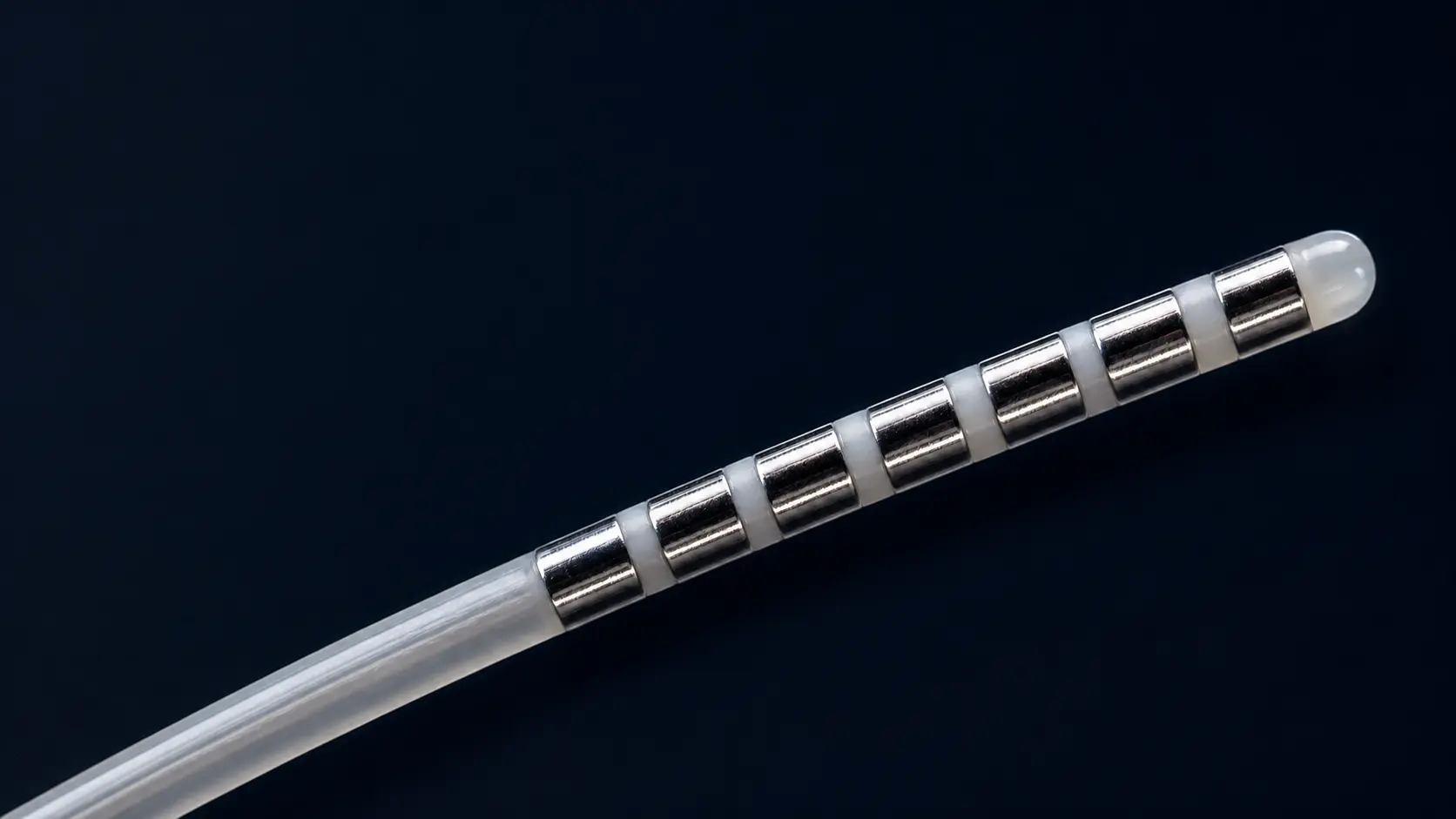
Bioelectronic medicine
Cerebrolytics is dedicated to developing bioelectronic medicines with the potential to change lives. We research and develop neuromodulation therapies using miniaturized, implantable devices to target chronic diseases, with the goal of advancing them toward commercialization. Our growing portfolio spans neural interfaces and wearable monitoring, with a focus on diabetes, metabolic health and inflammation.
Our portfolio
Neural interfaces. Gastric monitoring. Intestinal stimulation. Splenic neuromodulation. Four distinct programs exploring diabetes-related complications, metabolic health and inflammation, each at its own stage of development.
01 / Neural interfaces
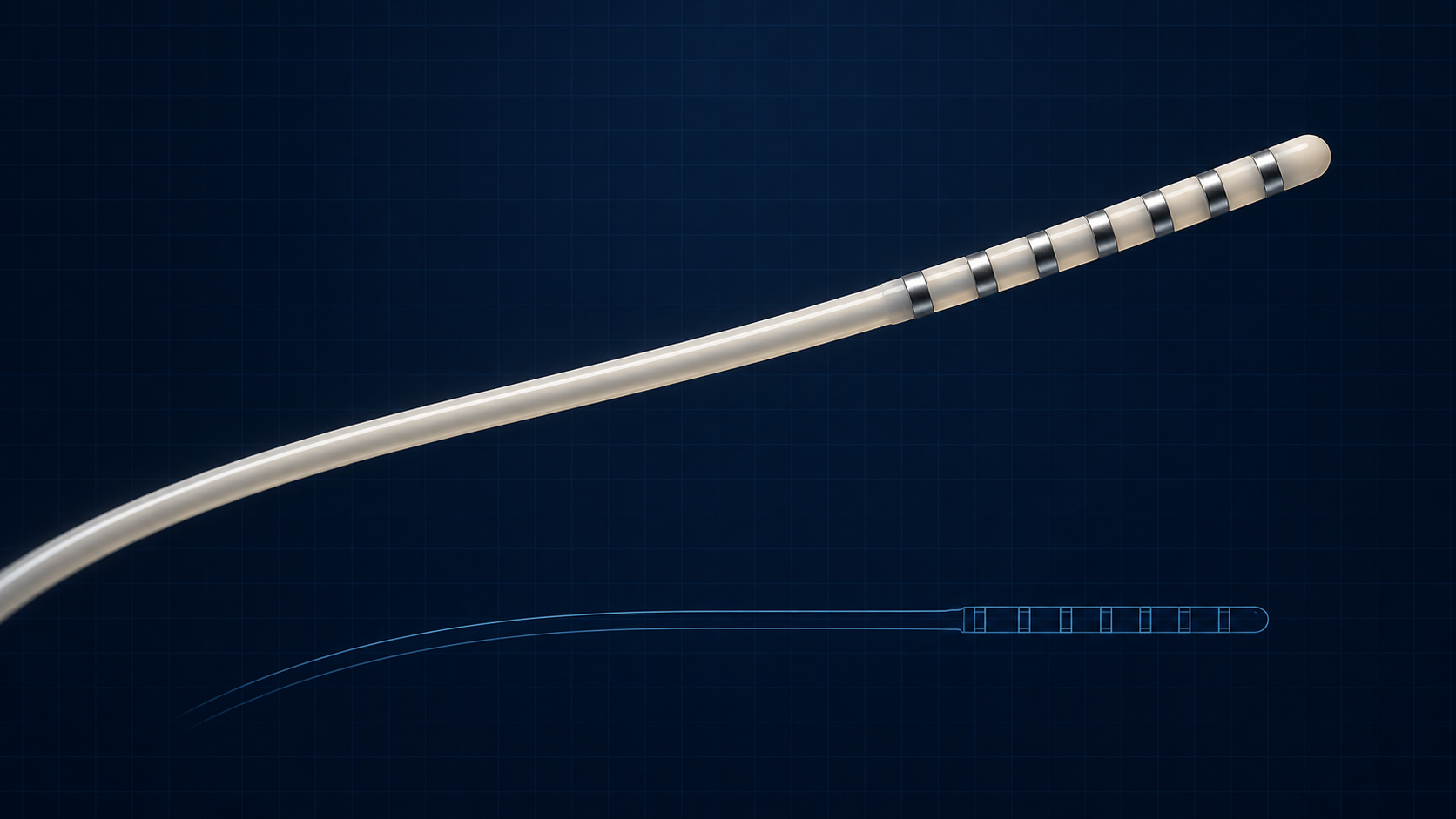
A miniaturized intrathecal spinal cord interface designed to sense and stimulate adjacent to the neural target—opening a more direct, efficient path toward closed-loop neuromodulation.
Explore the lead platform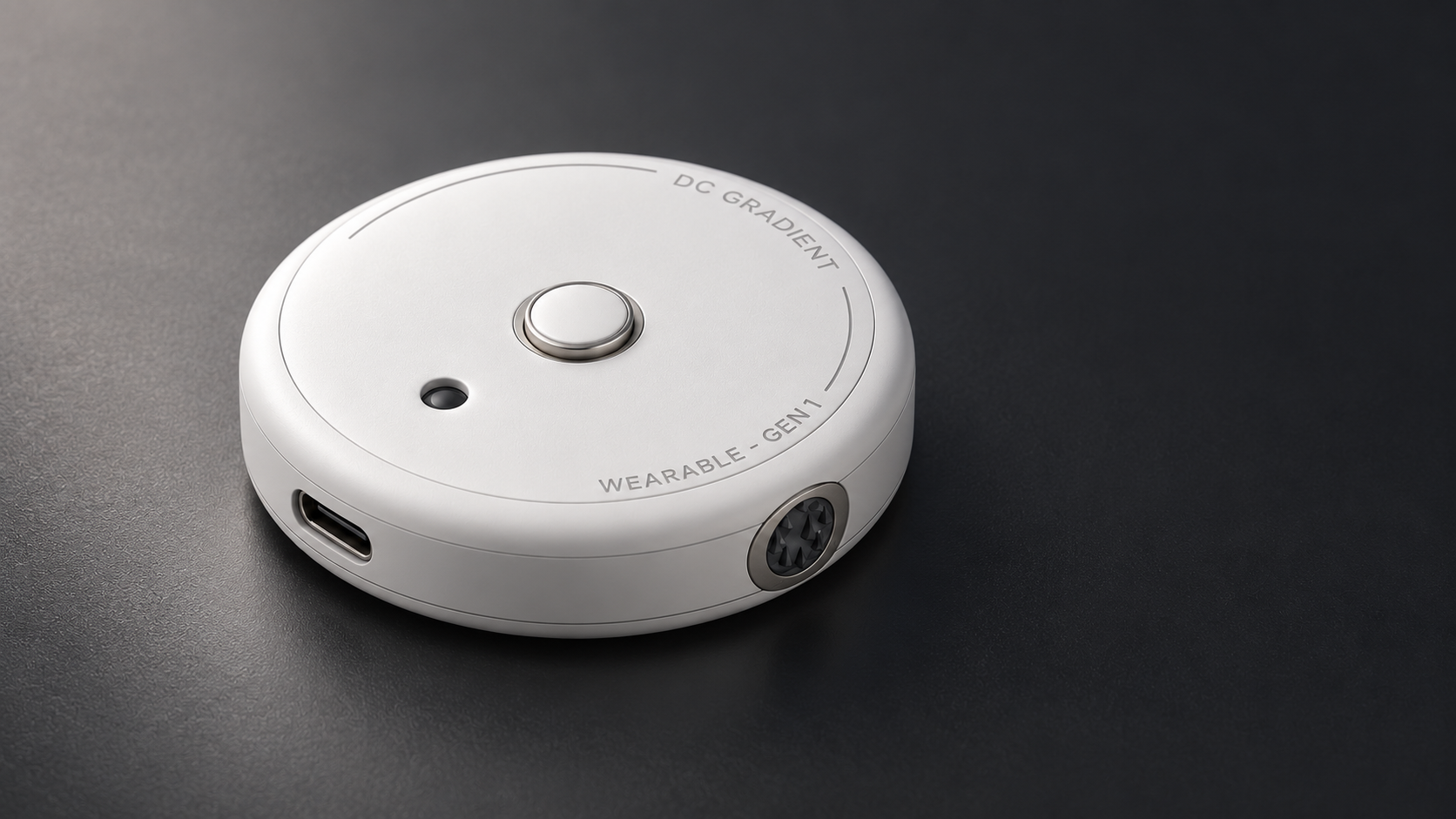
02 / Gastric health
A compact abdominal wearable being developed to explore gastric electrical activity alongside meals, symptoms, medication history and glucose data from an external CGM.
Discover gastric monitoring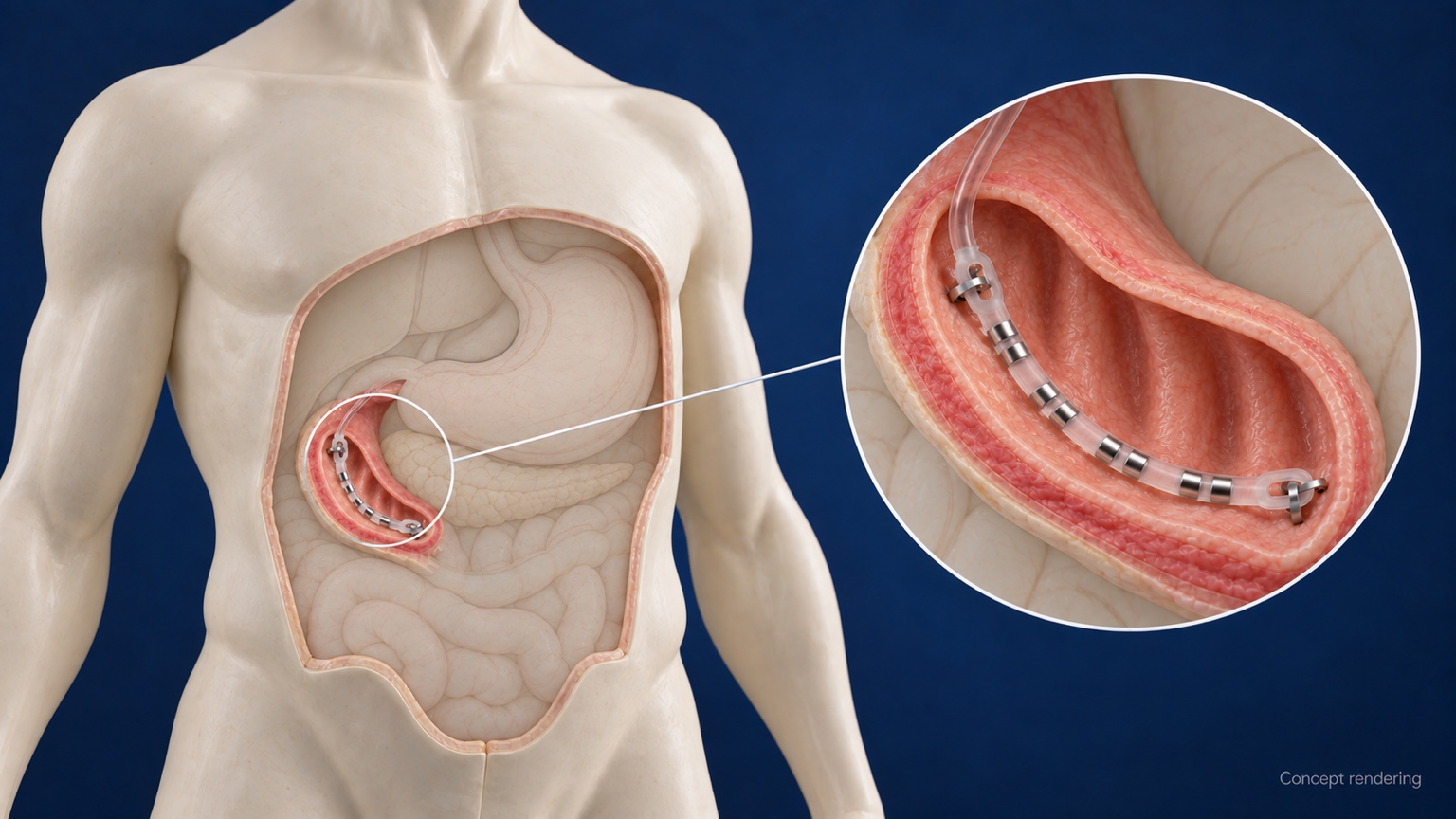
03 / Metabolic health
An investigational concept exploring targeted duodenal stimulation and whether it can enhance the body’s own GLP-1 release. Safety and effectiveness have not been established.
Explore the concept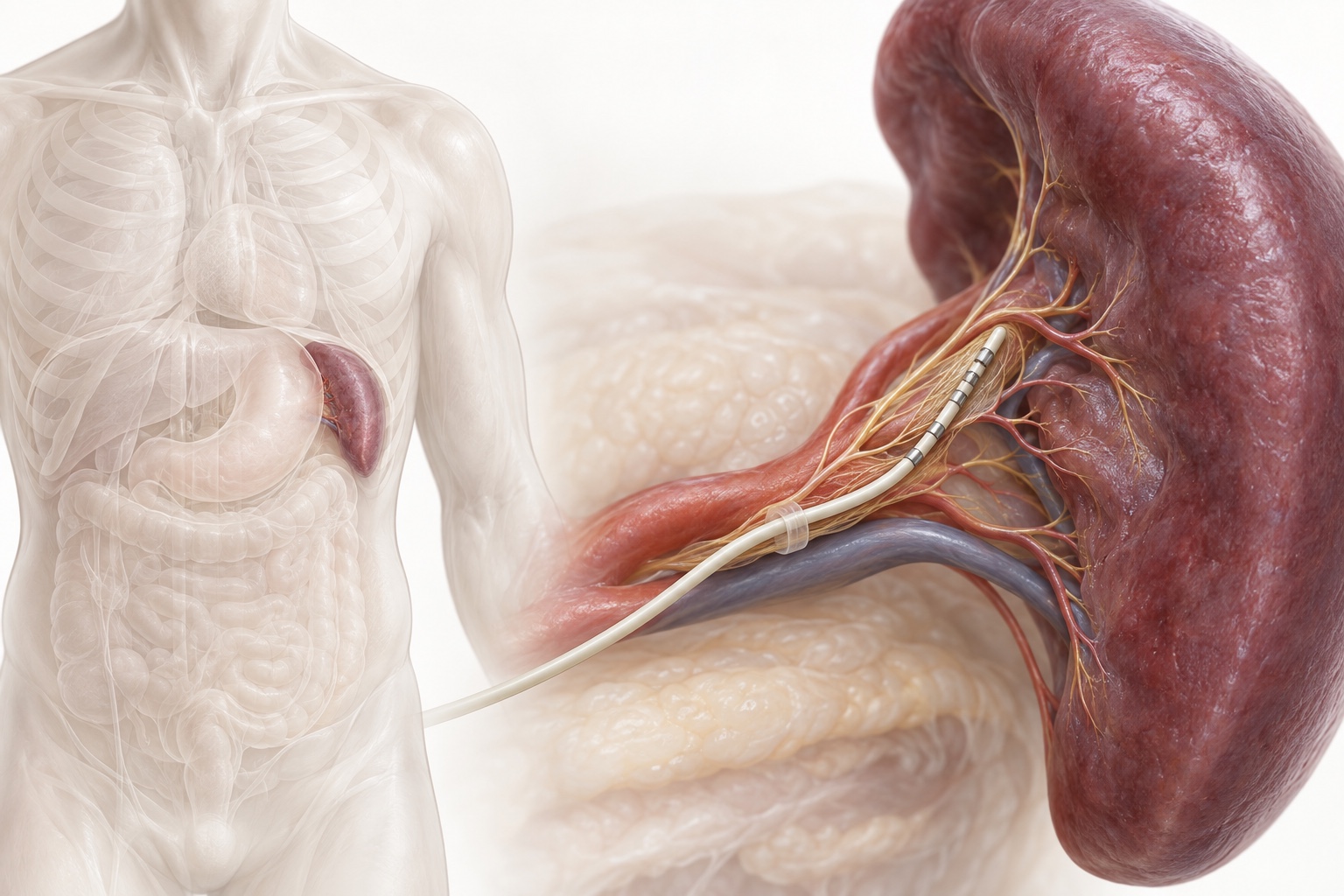
04 / Inflammation
An investigational concept exploring splenic neuromodulation and the neural control of inflammation, with Crohn’s disease and ulcerative colitis as potential future indications. Safety and effectiveness have not been established.
Explore Futura ImmunityOur lead technology
We are developing miniaturized electrical interfaces for different biological targets—from spinal cord neuromodulation to investigational duodenal stimulation and splenic neuromodulation. Each application has a distinct design, research objective and development pathway.
FuturaLead™
Designed for sensing and stimulation adjacent to the spinal cord, with painful diabetic neuropathy among the applications being explored.
Explore the neuropathy programFutura Gastroduo
An investigational duodenal-stimulation concept exploring whether electrical stimulation can enhance endogenous GLP-1 release.
Explore the duodenal conceptFutura Immunity
An investigational splenic-neuromodulation concept exploring neural pathways that regulate immune activity, with intestinal inflammation as a research focus.
Explore the splenic conceptConventional spinal cord stimulation leads sit in the epidural space, separated from the dorsal columns by tissue and fluid. Our lead is designed for the intrathecal space—closer to where the signal begins.
Natural tissue layers separate the electrode from the target.
Designed to place the interface within the CSF space, adjacent to the cord.
FuturaLead / Designed capabilities
Capture cleaner evoked compound action potentials closer to the dorsal columns—the signal required for responsive, closed-loop control.
Deliver targeted stimulation from an adjacent anatomical position, with the potential to activate the intended fibers at lower thresholds.
Use neural feedback to support automated adjustment instead of relying only on repeated manual programming visits.
Concept view
FuturaLead / Preclinical evidence
In comparative preclinical work, intrathecal positioning produced stronger, more complete neural recordings at lower stimulation thresholds than epidural positioning.
Comparative preclinical and in-silico findings from the FuturaLead development program. Results are not evidence of clinical safety or efficacy and do not establish performance of the Futura Gastroduo or Futura Immunity concepts.
Designed for adoption
FuturaLead is being developed for compatibility with existing implantable pulse generators, with the aim of reducing integration friction for established neuromodulation platforms.
Intrathecal catheter access has decades of clinical use in pain management.
Cleaner neural recordings can support more informative feedback and adaptive programming.
Lower energy requirements may enable smaller implants and reduce recharge burden.
Painful diabetic neuropathy
Painful diabetic neuropathy can persist despite medication, disrupting sleep, mobility and quality of life. Spinal cord stimulation already has an FDA-approved precedent for managing chronic, intractable lower-limb pain associated with diabetic neuropathy—validating the clinical category, not FuturaLead.
Cerebrolytics could bring a different technical approach to this established indication: closer-to-target stimulation combined with direct neural-response sensing. The clinical question is whether that proximity can deliver durable pain control with lower energy and more objective, closed-loop adjustment.
Measure relief of refractory lower-limb pain alongside sleep interference and everyday function.
Test whether complete ECAP sensing can guide individualized stimulation instead of programming by symptoms alone.
Evaluate energy use, recharge burden and the stability of response over time.
The intended therapeutic claim would be pain management and functional improvement—not glucose control, reversal of diabetes or proven peripheral nerve regeneration.
FuturaLead translation pathway
The program begins with chronic pain nonresponders and uses that focused indication as a beachhead for a broader neural interface.
Final lead design, in-silico work, preliminary cadaver evaluation, acute large-animal experiments and subacute performance testing.
Anchoring and implantation tools, biocompatibility and safety work, sensing validation and expanded intellectual property protection.
IDE pathway, first-in-human evaluation, integration with an established implantable pulse generator and pivotal development planning.
Research paths in neurorehabilitation, motor recovery, autonomic regulation and future spine-computer interfaces.
Beyond pain
Strategic collaboration
Connect with us about strategic partnership, clinical collaboration and development across our neural-interface, gastric-monitoring, intestinal-stimulation and splenic-neuromodulation programs.